Page 1 of 1
What is a PCIE Card?
Posted: 08.08.17, 09:34
by antonvn
Hi all,
Can anyone tell me what a PCIE Card is? I thought that the person meant PCIe, but it seems to be something different. I was told that it is a new chip for the latest iPhone.
Re: What is a PCIE Card?
Posted: 24.08.17, 09:58
by antonvn
Hi all,
No-one commented or provided an answer to this question. The PCIE turns out to be a SSD, but it is said to be used in iPhone in future and if this is true, you will be affected.
The 'PCIE' part is still not clear to me. Roman, could you please explain? Does it mean that this SSD can be plugged directly into a PCIe slot on the motherboard - it does not require SATA or IDE? This is M.2 format but the header looks different- it looks like it will fit into a PCIe slot, but it is so small, but longer boards are used with more chips.
How will it be used in a phone? It is clear that it would be recovered by Express or UDMA systems with SSD add on. This does not belong in the Flash section, although, when I came across it, it was explained that the recoveries would follow the chip-off method, that is why I have posted the question here. Anyway, it is claimed to be the fastest SSD for normal use. Intel is busy with a new format, but you will have to have a different CPU, current CPU's do not support it.
Re: What is a PCIE Card?
Posted: 24.08.17, 12:15
by Amarbir[CDR-Labs]
antonvn wrote:Source of the post Hi all,
No-one commented or provided an answer to this question. The PCIE turns out to be a SSD, but it is said to be used in iPhone in future and if this is true, you will be affected.
The 'PCIE' part is still not clear to me. Roman, could you please explain? Does it mean that this SSD can be plugged directly into a PCIe slot on the motherboard - it does not require SATA or IDE? This is M.2 format but the header looks different- it looks like it will fit into a PCIe slot, but it is so small, but longer boards are used with more chips.
How will it be used in a phone? It is clear that it would be recovered by Express or UDMA systems with SSD add on. This does not belong in the Flash section, although, when I came across it, it was explained that the recoveries would follow the chip-off method, that is why I have posted the question here. Anyway, it is claimed to be the fastest SSD for normal use. Intel is busy with a new format, but you will have to have a different CPU, current CPU's do not support it.
Well,
I Can Explain You this Without Romans Help Too ,Please Upload a Picture So that We Know What you are talking about ,Though i Think You Are Talking About a SSd With PCIe Interface
Re: What is a PCIE Card?
Posted: 29.08.17, 15:00
by antonvn
Well,
It is a SSD as I have mentioned and it has a PCIe interface, but does it plug into a PCIe slot on the motherboard? It looks like it can, but is there a new PCIe format?
Here is the description: CX2-8B512 M.2 2280 512GB NVMe MLC SSD PCIe 3.0x4
Attachments
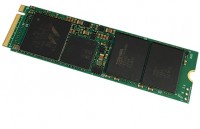
- CX2-8B512 M.2 2280 512GB NVMe MLC SSD PCIe 3.0x4.jpg (6.05 KiB) Viewed 17951 times
Re: What is a PCIE Card?
Posted: 29.08.17, 15:04
by antonvn
There is an adapter available to SATA, so I will use Express and my SSD software to recover.
Re: What is a PCIE Card?
Posted: 30.08.17, 01:38
by Roman_TS
This drive does not contain SATA controller inside CPU. You can put it to m.2 to SATA adapter, but it will not works. New generations of NVMe drive is use only PCI-E controllers, and right now it's not possible to recover it through SATA bus. The only way - use PCI-E card to your PC. You can find one on eBay, Aliexpress or in Amazon.
http://www.ebay.com/itm/PCI-E-3-0-x4-La ... SwlMFZErwi
Re: What is a PCIE Card?
Posted: 30.08.17, 14:33
by antonvn
Thanks Roman. I had a look at the adapter and it is fine. What are your plans in terms of recoveries - are you going to provide software updates to SSD and an adapter to be used with Express?
Re: What is a PCIE Card?
Posted: 31.08.17, 07:18
by Roman_TS
Yes, but it would be a different device. Express, Portable and UDMA-E can work only with SATA-based devices. For PCI-E we need absolutely new device, with it's own architecture, buses and internal structure.